Journal
(Notes, 2025—26)
Notes fromthe studio.
Short reads on product, engineering and AI — written by the people doing the work.

product·
Smarter Decisions with Predictive Analytics in Product Development
In product development, intuition alone is no longer enough. As markets shift quickly and user expectations evolve, teams need more than historical data; they need foresight. Predictive analytics offers exactly that. By analyzing patterns and modeling outcomes, product teams can anticipate what’s co
Read note →

design·
Designing Trust: How UX Impacts Product Credibility
In today’s digital world, users don’t stay loyal to products they don’t trust. Credibility isn’t just about security badges or legal disclaimers; it’s shaped by every interaction a user has with your product. From how information is presented to how errors are handled, design decisions both big and
Read note →

engineering·
Building Scalable Products: Why Technical Debt Shouldn’t Be Ignored
Every shortcut adds up. In product development, what starts as a quick fix can quietly grow into a costly burden technical debt. While it’s sometimes an intentional tradeoff to meet deadlines, unmanaged debt slows growth, hurts performance, and drains team productivity over time. The best teams don’
Read note →

product·
Beyond KPIs: Measuring What Actually Matters in Product Growth
KPIs help track progress, but not all metrics tell the full story. Too often, teams celebrate numbers that look impressive on paper but reveal little about real performance. These are vanity metrics figures that inflate dashboards without improving the product or user experience.To drive sustainable
Read note →

product·
When to Pivot: Recognizing the Signals in Product Development
Not every idea succeeds. The best teams know when to push forward and when to pivot. Recognizing the signals early saves time, money, and momentum.Pivoting is not about giving up, it’s about making informed decisions that keep your product aligned with user needs and market realities. Knowing when t
Read note →

design·
Designing Onboarding That Keeps Users Coming Back
User onboarding is one of the most critical determinants of long-term retention. Studies show that products lose the majority of new users within the first week if onboarding is unclear or overwhelming. Effective onboarding is not a checklist of tutorials, it is a deliberate product strategy that gu
Read note →

product·
From Feature Creep to Focus: How to Prioritize What Really Matters
Most products don’t fail because of too few ideas. They fail because of too many extra features, which often create clutter, confuse users, and slow down development. The real challenge is not adding more, but choosing what truly matters. That’s where prioritization comes in. To stay focused, you ne
Read note →

product·
Optimizing Product Decisions with Real-Time Analytics
Data is everywhere, but insights only matter when you act on them. Traditional reporting often arrives too late, leaving teams to react after problems have already spread. Real-time analytics changes that. It gives product teams instant visibility into user behavior, allowing faster decisions and mo
Read note →
ai·
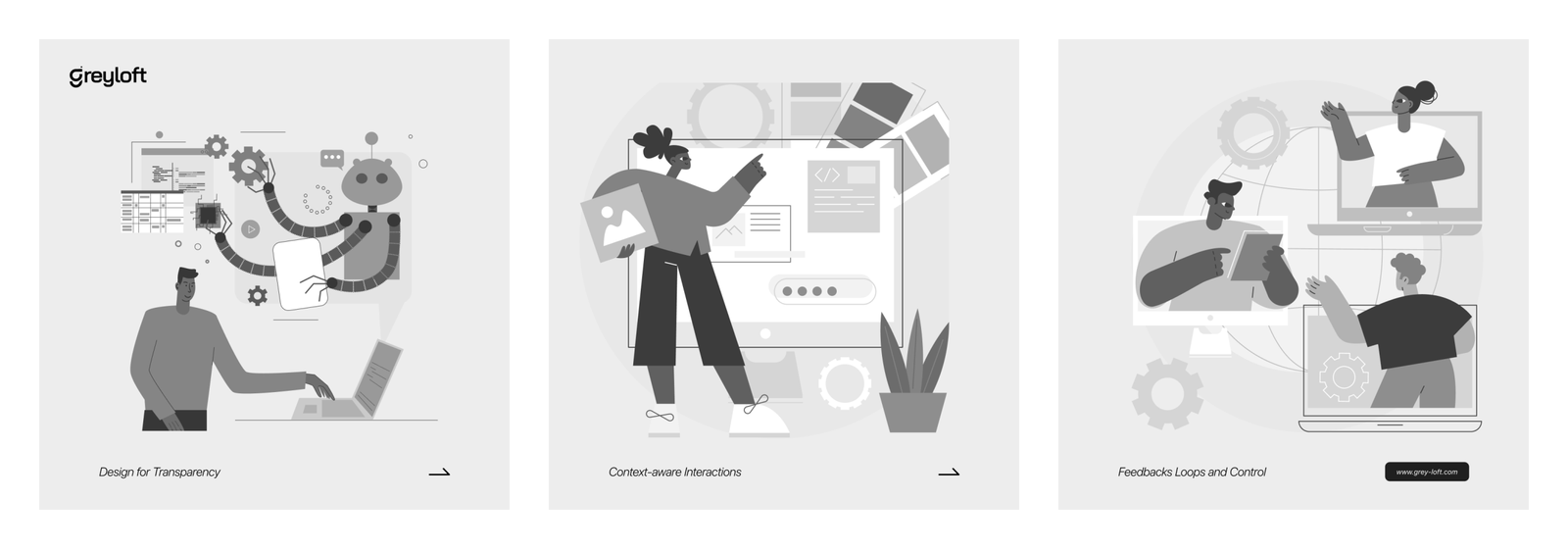
Designing for the AI-First User Experience
When AI is at the core of your product, the user experience cannot be an afterthought. Designing for AI-first experiences requires a rethink of traditional UX practices, balancing human expectations with machine intelligence. Here are three principles that will help you design AI experiences people
Read note →

product·
Streamlining Product Development with Feedback Loops
Shipping features is only half the battle. The real test comes after launch, when users interact with what you’ve built. Without the right feedback mechanisms, teams risk building in the dark, repeating mistakes, and missing opportunities for growth. Feedback loops keep your product aligned with use
Read note →

ai·
Making the Business Case for AI Infrastructure
AI is no longer a buzzword. Companies everywhere are exploring how to apply it to decision-making, automation, and customer engagement. But while the algorithms get all the attention, the real challenge is what sits underneath them. Infrastructure is what makes or breaks AI at scale. Behind every in
Read note →
design·
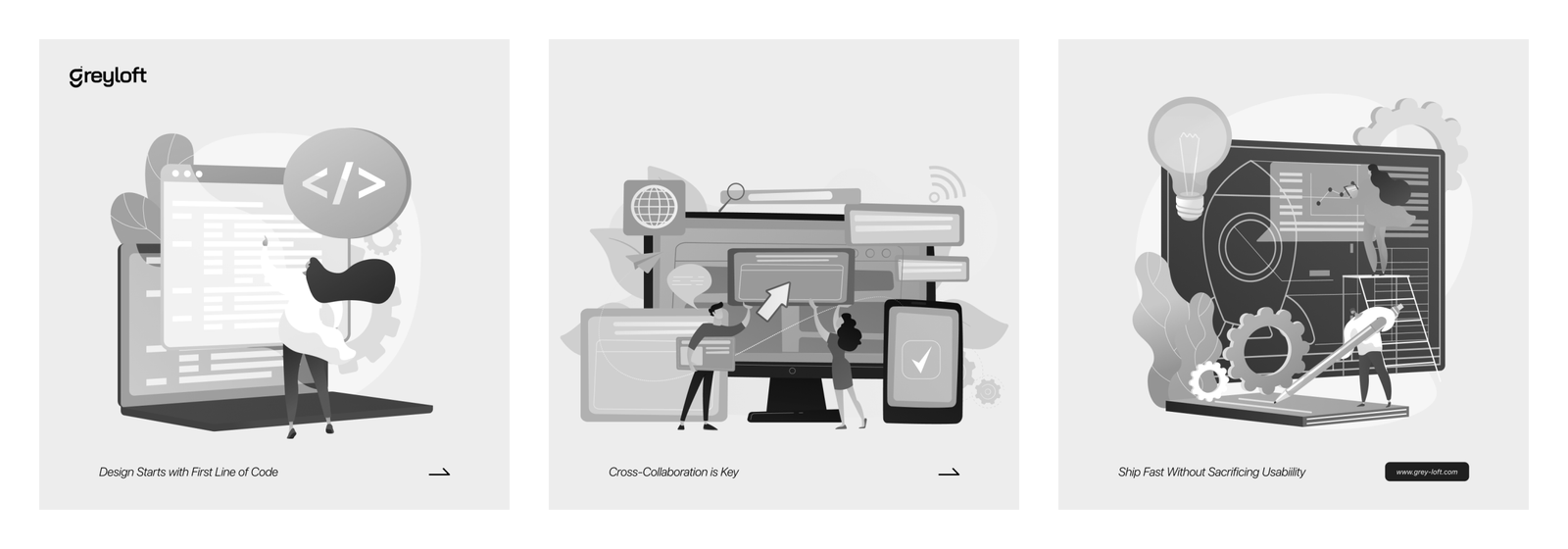
Why Tech Teams Need UX Thinking at the Core
UX is not just a design team concern. It is a product-wide mindset. When engineers, product managers, and data scientists think like designers, the result is smarter, smoother, and more usable software. To make that happen, teams need to treat UX as a shared responsibility, not a handoff. And that s
Read note →